
How to treat enthesopathy: conservative treatments and surgical interventions
In this article, we will focus on the types of enthesopathy, focusing on the different treatments recommended for treating enthesopathy.
By Dr. Luigi ManziUpdated on
Enthesopathy is a condition that affects the junction between tendons and the corresponding bone; this condition causes extreme pain and is considered highly debilitating for those affected.
Caused by inflammation of the tendons, trauma, or repetitive stress and pressure on the affected area, enthesopathy can affect various parts of the body and is especially severe for those who practice a lot of physical activity or high-impact sports.
In this article, we will focus on the types of enthesopathy that primarily affect the ankle and foot area , focusing on the different treatments recommended for treating enthesopathy.
Conservative treatments for enthesopathy
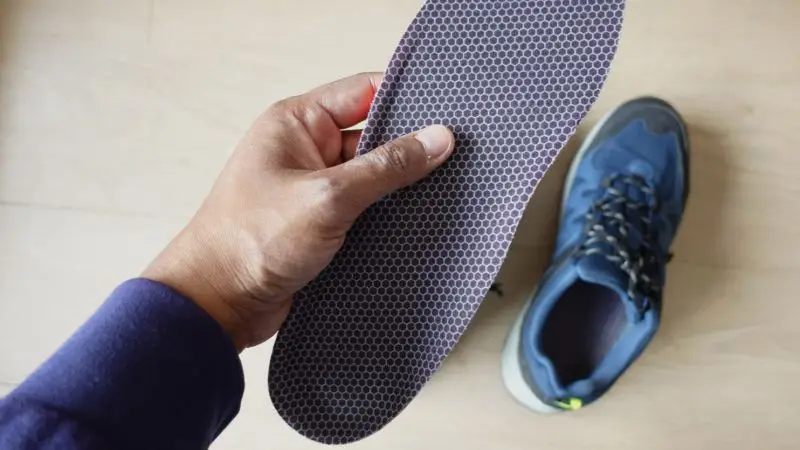
When diagnosed with enthesopathy, doctors usually recommend a conservative treatment approach.
What are conservative treatments ? These treatments are considered minimally invasive because they involve pain management, stress reduction, and inflammation in the affected area, all without resorting to surgery.
Let's see together what these conservative treatments are for treating enthesopathy.
Rest and lifestyle changes
Rest is certainly the first thing recommended to alleviate the symptoms of the disease.
Reducing excessive stress and overload on the affected area, in this case the feet and ankles, helps manage pain and reduce inflammation. This allows for the gradual healing of damaged tissue.
While rest is initially recommended, meaning ceasing any stressful activity on the affected area, over time physical activity can be resumed , provided it is varied. Therefore, it is recommended to engage in controlled and non-excessive physical activity with targeted exercises, or opt for sports that do not further aggravate the situation, such as swimming.
Orthopedic insoles and braces
Especially for enthesopathy affecting the feet and ankles, the use of insoles and braces is particularly recommended.
In fact, insoles and braces are very useful for supporting a delicate area such as that of the foot and heel and, above all, they help to cushion the shocks due to the normal mobility of the foot, as well as correcting probable posture problems.
Not only that, but braces , above all, can also be used to immobilize the affected part, when necessary, to promote the regeneration of injured tissue.
Physiotherapy and rehabilitation programs
Physiotherapy is always a suitable and recommended treatment. With the support of a physiotherapist , you can not only improve the flexibility of your feet and ankles through targeted exercises, but also strengthen the muscles surrounding the affected tissues.
Thanks to a carefully studied and personalized treatment plan , perhaps also using ultrasound therapy or tecar therapy, it will be possible to reduce inflammation and pain and shorten the total recovery time.
Taking nonsteroidal anti-inflammatory drugs
Also called NSAIDs , nonsteroidal anti-inflammatory drugs are the most recommended medications for treating enthesopathy.
NSAIDs are prescribed to treat pain and reduce inflammation . Nonsteroidal anti-inflammatory drugs are usually found in the form of ointments and lotions or in pills.
However, there is also the option of taking an NSAID through infiltration , that is, through injections into the affected area ; this method is preferred when there is a need for a faster and more effective effect, therefore, when pain and inflammation are almost unbearable.
The use of nonsteroidal anti-inflammatory drugs must always be prescribed and monitored by your doctor.
Surgical treatments
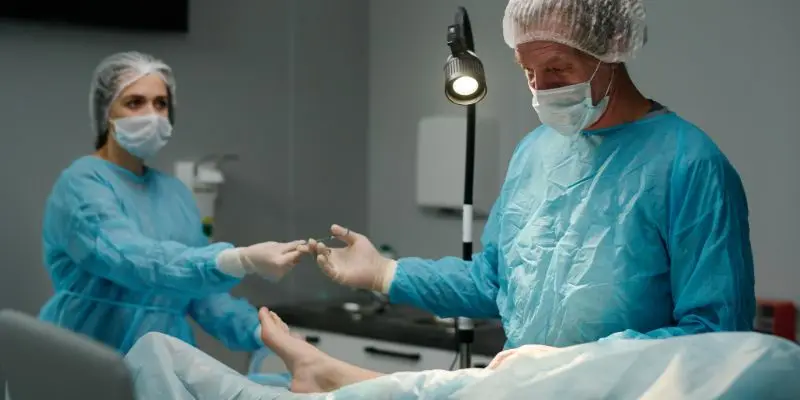
If enthesopathy has become a debilitating problem and even conservative treatments have not succeeded in eradicating it, the only solution appears to be surgical treatment.
There are various types of surgical treatments , and to make an informed choice about the most appropriate treatment, it is necessary to evaluate both the severity of the enthesopathy and the patient's needs and expectations.
Minimally invasive surgery
Minimally invasive surgery is certainly the most requested surgical treatment by patients suffering from calcaneal enthesopathy (the one that affects the heel).
This procedure, minimally invasive by its very definition, involves the removal of damaged and inflamed tissue , as well as the repair of the affected part , all through mini-incisions.
This treatment is also preferred because it requires a fairly short recovery time.
Tendon repair or replacement
Tendon repair is a surgical treatment that is considered when the enthesopathy is particularly severe, so much so that it requires almost total repair or replacement of the damaged tendon.
The procedure therefore involves the partial or total removal of the damaged tissue and its reconstruction or replacement. Repair can be achieved using specific and specialized suturing techniques or through grafts.
For obvious reasons, recovery times are significantly longer than with a minimally invasive procedure, and recovery involves a period of complete immobility, followed by a period of personalized and intensive rehabilitation.
Osteotomy and decompression
These two treatments are considered when the enthesopathy is linked to a bone malformation or tissue compression.
An osteotomy is designed to cut or reshape the malformed bone, so as to reduce the pressure on the area affected by inflammation.
Decompression , on the other hand, involves the removal of parts of the bone or tissue to relieve the tension that is oppressing the injured part.
Osteotomy and decompression are particularly indicated for particularly serious enthesopathies that can also affect the knees in particular.
Post-operative recovery and rehabilitation

Whatever surgical treatment is chosen, each type of intervention must always be followed by a post-operative recovery period.
Following surgery, the patient must prepare for a period that will include several phases, from rest to the restoration of full mobility.
As mentioned, each surgery has a different recovery time, but recovery times are usually between 6 and 12 weeks.
During this period, the patient must initially rest , with the foot and ankle well immobilized to avoid immediately stressing the recently operated area. This will be followed by the phases of recovery of elasticity and muscle strength , preparatory phases for best facing the phase of partial recovery of mobility.
Always under the supervision of your doctor and specialists, you will achieve complete recovery of mobility , finally returning to normality and carrying out all your daily activities.
Following your doctor's advice and completing all the rehabilitation phases step by step is crucial to avoiding potential complications and promoting a full recovery.
SmartHallux: the specialists in foot and ankle care

If you are looking for a team of doctors and surgeons specialized in treating foot and ankle conditions, SmartHallux is the place for you.
For years, constantly researching new methods and solutions for any foot and ankle pathology, SmartHallux relies on the honorable guidance of Dr. Luigi Manzi and a team of specialists with decades of experience.
Thanks to the use of cutting-edge instruments, the study of increasingly specialized techniques, and a dedicated approach to patient care and dedication, SmartHallux is the best option you can choose.
Book a SmartHallux visit

Always keeping an eye on the well-being and needs of patients, SmartHallux has also developed a simple and quick way to book appointments.
By choosing to book an appointment with SmartHallux, you can choose from a variety of options: from a home visit to a traditional in-office visit, including telemedicine.
Don't delay. Start taking care of your foot and ankle health and book your SmartHallux appointment now : click here.