
Z-Osteotomy with Stabilization: Innovation in Brachymetatarsal Surgery
The Z-osteotomy with stabilization lengthens the short metatarsal in brachymetatarsia with a less invasive approach. How it works, who it suits and recovery.
By Dr. Luigi ManziUpdated on
Brachymetatarsia is a rare bone deformity characterized by the shortening of one of the five metatarsals of the foot. This can cause not only aesthetic problems but also functional discomfort and pain during movement. Treatment typically involves brachymetatarsia surgery using complicated and invasive techniques.
The Z-osteotomy with stabilization is becoming the best innovative solution because it is much less invasive
Introduction to Z-Osteotomy for Brachymetatarsal Surgery
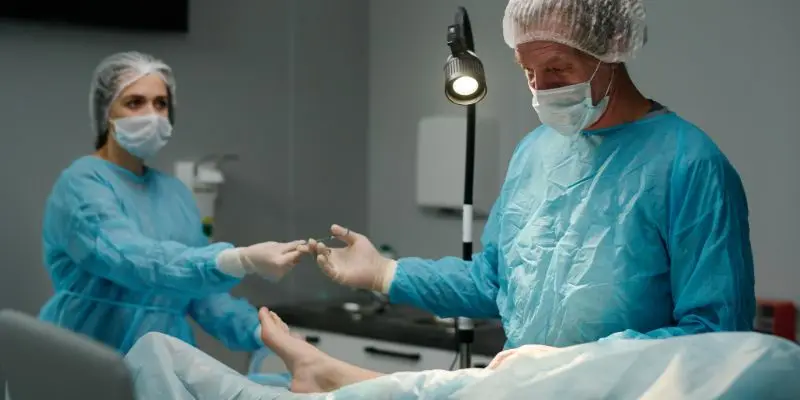
Z-osteotomy is an advanced surgical technique used to correct bone deformities, particularly brachymetatarsia. The procedure involves cutting the bone in a specific Z-shaped pattern , which allows for accurate lengthening and alignment. The underlying mechanism is to redistribute the mechanical load on the bone to facilitate lengthening and stability.
Compared to traditional surgical approaches, the Z-osteotomy offers numerous advantages. Among these is greater precision in lengthening the bone without compromising its structural stability. Furthermore, the ability to perform gradual lengthening reduces the risk of postoperative complications and promotes a more rapid patient recovery. Ultimately, this technique optimizes both the effectiveness of the procedure and patient comfort.
Specific applications for brachymetatarsia
Brachymetatarsia, a condition characterized by the underdevelopment of one or more metatarsals, can cause pain and difficulty walking. Z-osteotomy has proven particularly effective for this condition, as it allows for accurate correction of metatarsal length while minimizing scarring and complications. Thanks to this technique, patients can see significant improvement in the aesthetic and functional appearance of their feet.
Surgical procedure of Z-shaped osteotomy with stabilization

Preparation for a Z-osteotomy begins with a thorough patient assessment . Before surgery, radiographic examinations are performed to determine the current position and length of the metatarsal affected by brachymetatarsia. Furthermore, during the consultation, the surgeon discusses the entire process with the patient, explaining the risks and benefits of the procedure. It is essential that the patient follow the preoperative instructions to ensure the success of the operation.
During the procedure, the surgeon makes a precise incision over the affected metatarsal area. The Z-section is carefully shaped to achieve the desired lengthening. This allows the bone to be manipulated without damaging the surrounding tissue, thus reducing recovery time and improving the final outcome.
The stabilization phase is crucial to the success of the Z-osteotomy. Internal fixation devices , such as special screws and plates , are used to maintain the new bone structure during healing. This ensures that the bone remains in the correct anatomical position , allowing the bone to integrate seamlessly. The stabilization method must be customized to the patient's specific needs to ensure the best possible results.
Advantages and benefits of Z-osteotomy

The Z-osteotomy with stabilization is a significant advance in the treatment of brachymetatarsia and offers several advantages. One of the main ones is the possibility of achieving long-lasting results. The Z-osteotomy, thanks to its nature, allows for optimal distribution of forces along the metatarsal bone, reducing the risk of long-term displacement or instability. Patients will experience stable and functional correction over the years, where the risk of recurrence or the need for further intervention is lower.
Another positive aspect is recovery time. Compared to other surgeries, the Z-osteotomy often allows patients to recover quickly thanks to the balanced distribution of forces and advanced stabilization techniques used. In many patients, pain and swelling subside after just a few weeks.
Finally, there are undoubted benefits, both functionally and aesthetically. Lengthening the metatarsals reduces stress and pressure while walking, improving the foot's balance and stability . Aesthetically, the foot will have a more natural and harmonious shape.
Ask SmartHallux for advice

SmartHallux can transform your life, limited by brachymetatarsia and other foot conditions, with innovative solutions. Brachymetatarsia, characterized by a shortened metatarsal, can cause discomfort and limit mobility. With SmartHallux, you have access to cutting-edge techniques like MICA (Minimally Invasive Chevron Akin), where procedures are less invasive, thus reducing post-operative pain and speeding up recovery. Book a consultation now using our booking form on the website.