
Plantar fibroma: when there's a lump under the foot that causes discomfort
A plantar fibroma is a benign lump in the plantar fascia, the band of tissue under the arch. Why it forms, how it is diagnosed and how it is treated.
By Dr. Luigi ManziUpdated on
Have you ever noticed a hard lump under your foot? Something that wasn't there before and now you can feel it when you walk? Well, it could be a plantar fibroma.
In my office, I often see patients who come in worried about this lump that forms on the sole of their foot. "Doctor, what is this?" they ask. It's a more than legitimate question: when you notice something strange in your body, it's natural to want to understand what it is.
A plantar fibroma is a benign growth—and when I say benign, I mean it's not a bad tumor, so you don't have to worry about that. It develops in the plantar fascia, the tough band of tissue under your foot that acts like a bowstring to support you as you walk.
What exactly is this thing?
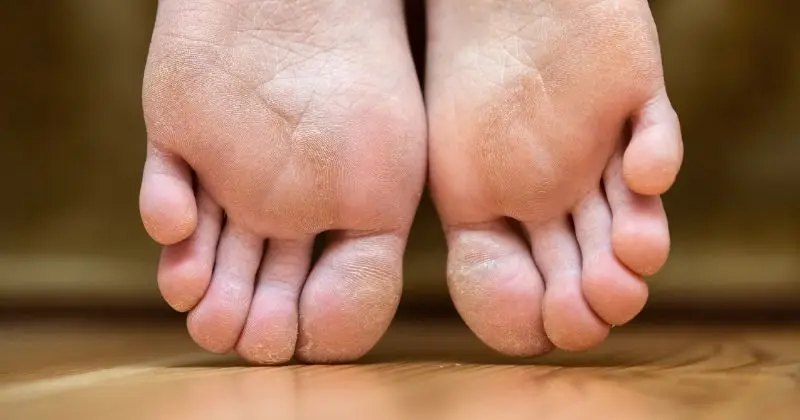
Think of the plantar fascia as a kind of very strong adhesive tape that connects the heel to the toes. When a fibroma forms, it's as if a nodule—a thicker, harder part—forms in this tape.
Patients often ask me, "Doctor, is this the same as plantar fasciitis?" Absolutely not. Plantar fasciitis is an inflammation of this fascia, while a fibroma is actually a physical growth, a small lump you can touch. It's also different from Morton's neuroma, which affects the nerves between the toes. And it's even different from a simple plantar cyst.
Ledderhose disease, which is a more extensive form of plantar nodular fasciitis, may instead look more like fibroma, but it tends to be more widespread and involve multiple nodules.
Why does this blessed fibroma appear?
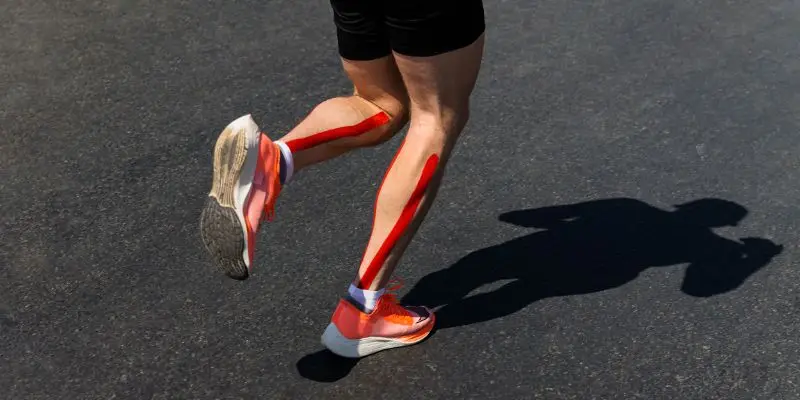
Well, the causes aren't always clear. After all, the foot is constantly subjected to trauma: every step you take puts a little stress on the plantar fascia.
I've noticed it often happens to athletes. Runners, tennis players, and soccer players. But be careful: just because you exercise, it doesn't necessarily happen! It's more likely that you're overexerted and overstressed that can lead to the formation of these fibrotic nodules. It's a bit like developing a callus: the tissue reacts to constant stress by thickening.
The wrong shoes are another factor. Shoes that are too tight, too loose, or don't provide adequate arch support can create abnormal pressure points. Sometimes, inadequate protective gear in sports contributes.
There are also factors beyond our direct control. Some patients have a genetic predisposition to developing fibrous tissue. Age also plays a role—it's more common after age 40.
Symptoms: How do you notice them?

The symptom that almost everyone describes to me is the sensation of "walking on a pebble." Annoying, right?
The pain usually worsens when walking or standing for long periods. This is different from the pain of plantar fasciitis, which is typically worse in the morning when you first get out of bed. With fibroids, the pain tends to increase with activity.
Many patients tell me, "Doctor, I feel like I'm touching my foot like a hard ball." That's the lump. Sometimes you can clearly feel it, other times it's deeper and less noticeable.
Some patients also complain of morning stiffness or, more rarely, numbness in the fingers when the fibroid is positioned in such a way as to irritate a nearby nerve.
How do we diagnose?

When you come to my office, I'll first have you tell me your history: when it started, where it hurts, and what makes it worse. Then I'll examine you: I'll palpate your foot to feel if this lump is actually there, where exactly it is, and how big it is.
Sometimes this is enough to make a diagnosis. Other times, especially if I have doubts or want to better understand the fibroid, I request some tests.
Ultrasound is fantastic for seeing soft tissue—and plantar fibroma is indeed soft tissue. It's a quick, non-invasive test, and it lets me see the size and consistency of the lump.
I use MRI when I need more detailed information, perhaps because I'm considering surgery or because I want to rule out other pathologies.
An X-ray? In this case, it's of little use, because the fibroid can't be seen on X-rays. But sometimes I do one to rule out other conditions, like a heel spur or bone problems.
What can we do to fix it?

The good news is that surgery is often not necessary!
We always start with conservative treatment. Rest, whenever possible, helps reduce inflammation around the fibroid. Ice after activity can provide relief—for 15-20 minutes, but no more, otherwise you risk damaging the skin.
Anti-inflammatories can help with pain and any surrounding inflammation. But be careful: they don't make the fibroid disappear; they only manage the symptoms.
Custom-made insoles are often a game-changer. A well-made insole can redistribute the load and reduce pressure on the nodule. It's like putting on a cushion that "circumvents" the problem.
Physical therapy can help with specific exercises to maintain flexibility in the foot and ankle.
When is it necessary to operate?
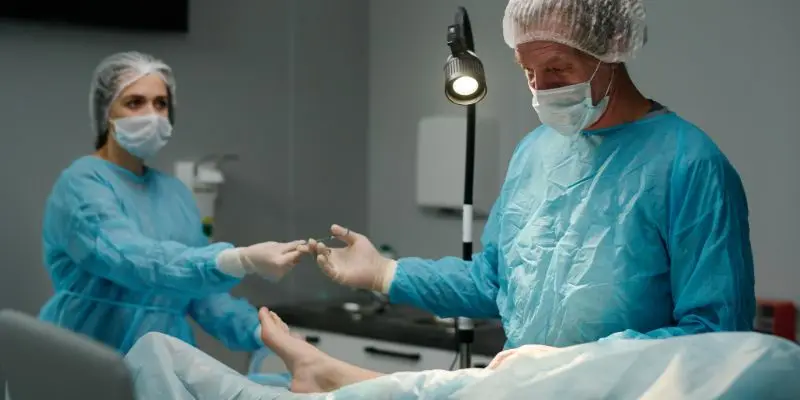
We consider surgery when the pain does not go away with conservative treatments and significantly limits your quality of life.
The procedure involves removing the fibrous nodule. It's a relatively simple operation, but like all procedures, it has its risks and recovery times.
After surgery, patients usually need to walk in a special shoe for a few weeks. Rehabilitation is important to regain full foot function.
How is it prevented?
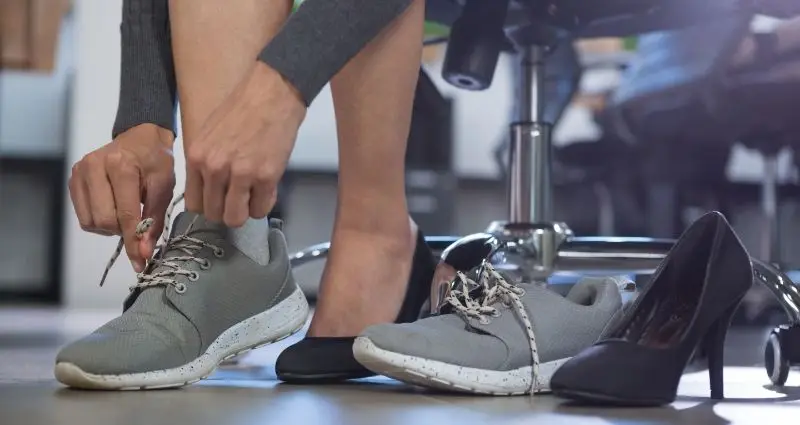
The right shoes are essential. They must fit well, support the arch, and be suitable for the activity you do. If you run, you need running shoes. If you work on your feet all day, comfortable and supportive shoes.
Stretching the plantar fascia and Achilles tendon can help maintain tissue elasticity. A few simple exercises in the morning can make a difference.
If you're overweight, losing a few pounds can reduce the strain on your feet. It's not always easy, I know, but even a few pounds can help.
Avoid abruptly switching from zero activity to intense exercise. The foot, like the entire body, needs to gradually adjust to stress.
SmartHallux: Where we can help you

Dr. Luigi Manzi, who has gained specific experience in this field, follows each patient with a personalized path using the most modern techniques.
The SmartHallux team treats conditions such as hallux valgus , Morton's neuroma , and other deformities that cause foot pain. Providing comprehensive support throughout the treatment process, SmartHallux can be a winning choice for effective treatment tailored to your needs. Book your specialist consultation with the SmartHallux team now (opens in a new tab).
FAQ
Doctor, can this fibroid become malignant?
No, don't worry. A plantar fibroma is a benign growth. It doesn't become a serious tumor. It's simply thickened fibrous tissue.
How long does it take to heal?
It depends on the treatment. With conservative therapies, improvements are often seen within 2-3 months. With surgery, complete recovery takes a few months, but you can usually walk normally after 6-8 weeks.
Can fibroids come back after surgery?
It can happen, but it's not common. To reduce the risk of recurrence, it's important to follow the rehabilitation program carefully and use appropriate insoles if necessary.