
Foot pronation and overpronation: a complete guide to causes and symptoms
Pronation is the inward roll of the foot when walking. When excessive, it becomes overpronation and can overload foot, ankle and knee. Causes and symptoms.
By Dr. Luigi ManziUpdated on
If you notice your foot inadvertently rolling inward while walking, there's no need to worry. This is common, as the movement is natural and serves to absorb shock and evenly distribute your body weight.
Foot pronation can easily become a significant problem when it becomes excessive. A foot that rolls out too much can cause excessive stress on soft tissues and joints, increasing the risk of developing conditions such as bunions, plantar fasciitis, and heel pain. Problems can extend from the foot and ankle to the knee and back. The same applies when the foot rolls out too little when it lands, as it risks not absorbing shock effectively and distributing impact effectively.
What causes pronation in the foot?
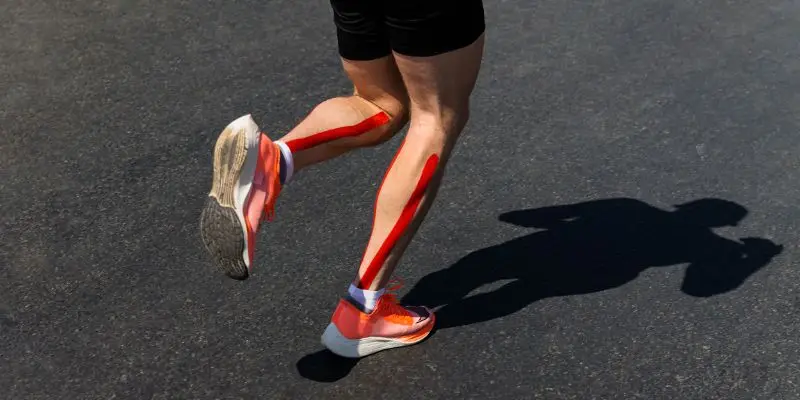
Let's reiterate: when the foot hits the ground, it rotates inward. This is perfectly normal, as this movement helps the arch of the foot support a weight estimated to be around three times our body weight. During support, the outer edge of the heel strikes the ground and the foot rolls inward, tending to flatten the arch. When the foot functions correctly, it rolls forward from heel to toe, resulting in almost completely neutral pronation.
However, some anatomical characteristics of the foot, the alignment of the bones and the shape of the arch can determine unconsciously more accentuated rotations, leading to imbalances, instability and tension on the ligaments and muscles.
If the foot pronates excessively, we're talking about overpronation. In this case, the foot continues to roll after contact with the ground instead of immediately initiating the push-off phase, thus increasing energy expenditure. Over time, this type of movement can cause excessive strain on the foot and knee, causing pain and can even lead to iliotibial band syndrome, which causes pain specifically on the outside of the knee.
In addition to anatomical characteristics, excessive pronation can also be caused by the type of footwear worn. Lacking adequate support increases stress on the arch of the foot and tendons, leading to symptoms of pain and stiffness.
Symptoms of overpronation

Excessive foot pronation causes several clear symptoms. The first and most obvious is pain in the arch and heel , which can extend to the ankle and knee when the foot is poorly aligned. Excessive pronation can also cause joint stiffness and even make daily movements difficult.
If not treated properly, excessive pronation can lead to inflammation of the plantar fascia or Achilles tendon, as well as the formation of bone spurs on the heel and, in more severe cases, joint degeneration resulting in chronic pain.
How to correct foot pronation

In cases of excessive pronation, intervention is necessary to correct and treat foot motion. The first step for an accurate foot diagnosis is a limb scan and a baropodometric and stabilometric analysis to assess weight distribution and foot stability.
Based on the results of these tests, it may be advisable to use a personalized foot orthosis that allows the body to achieve its balance, reducing the pain and discomfort caused by incorrect movement.
Preventing excessive pronation is possible by adopting some simple measures:
- Appropriate footwear: Wearing shoes with good arch support and adequate cushioning helps reduce stress on the foot.
- Strengthening exercises: Doing targeted exercises for the muscles of the foot and ankle helps improve stability.
- Maintain a healthy body weight: reducing body weight reduces pressure on the foot and helps maintain correct posture.
For specialist support, book a consultation with Dr. Luigi Manzi for an accurate diagnosis and a personalized treatment plan to relieve pain due to pronation.