
Supinated foot: how to solve this problem that affects more people than you think
A supinated foot rolls outward, loading the outer edge of the foot. Less common than flat feet, it can cause ankle sprains and pain. Causes and treatment.
By Dr. Luigi ManziUpdated on
You know, it's interesting. When I mention supinated feet, many patients look at me perplexed. "Doctor, what is that?" they ask. And that's normal, because we hear much more about flat feet—pronated feet—while supinated feet remain somewhat in the shadows.
Yet, in my office, I see this problem more often than you might think. Supinated feet are essentially the opposite of flat feet: instead of "falling" inward, the arch remains too high and rigid. Weight is placed primarily on the outer edge of the foot.
Have you ever seen very narrow footprints in the sand? Those could be supinated feet.
What exactly happens in the supinated foot?
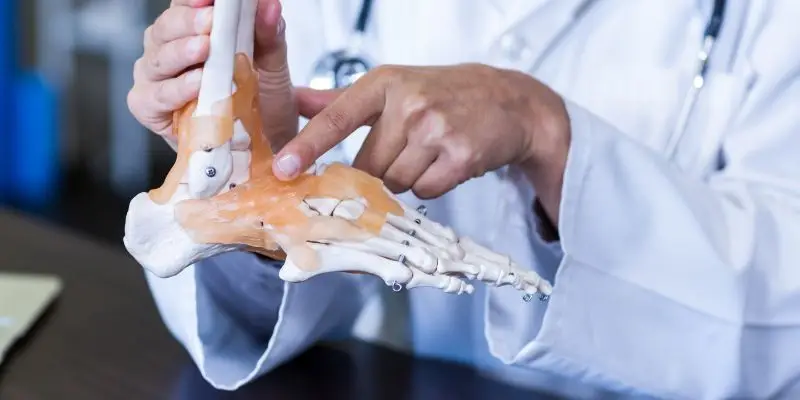
Imagine your foot as a spring. Under normal conditions, this spring compresses slightly when you put weight on it, then re-extends. It's a perfect mechanism for absorbing impact and distributing the load.
In the supinated foot, however, this spring remains too rigid. The arch is excessively pronounced and fails to "give" as much as it should during walking. The result? Weight is concentrated primarily on the outer edge of the foot and the forefoot area.
Truth be told, it's a condition that often has a congenital origin—you're born that way, basically. But it can also develop over time for various reasons we'll see shortly.
The interesting thing is that many people with supinated feet don't notice it right away. They might notice that their shoes wear more on the outside, or that after a long walk they feel discomfort in specific areas of the foot. But they don't connect these signs to the problem.
The causes? Various and often combined.
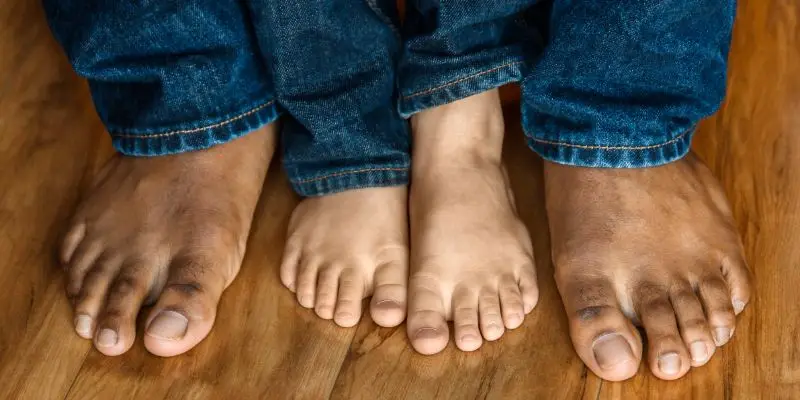
Let's look at the reasons why a supinated foot can develop. In my experience, there's rarely a single cause.
Let's start with genetics. Yes, it's often a family issue. It often happens that a patient with a supinated foot comes to me, and, through conversation, we discover that a parent or sibling also has the same problem. The shape of the foot, the muscle structure, the conformation of the bones—all of this can be hereditary.
Then there are neurological problems. Some conditions affecting the nervous system can alter the muscular balance of the foot. I've seen cases related to spina bifida, cerebral palsy, or even trauma that has damaged the nerves.
But it doesn't end there. Direct trauma can also be responsible. A poorly healed foot fracture, a tendon injury, or ligament damage—all of these events can alter the biomechanics of the foot and lead to supination.
And then, here's something many people underestimate: the wrong shoes. Years of wearing inappropriate footwear can gradually alter the structure of the foot. Shoes that are too tight, have excessive heels, or lack adequate arch support can contribute to the problem.
Symptoms: What patients tell me
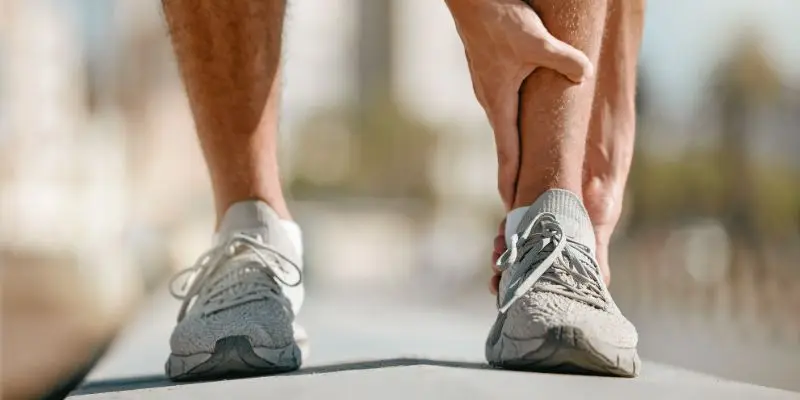
"Doctor, I have pain down here, on the side of my foot." This is one of the phrases I hear most often. The pain typical of a supinated foot is concentrated along the outer edge, sometimes extending to the ankle.
Many patients also describe a feeling of stiffness. "It's as if the foot doesn't move properly," they tell me. And they're right: poor arch flexibility reduces the ability to adapt while walking.
Other signs I notice during the examination? Abnormally worn shoes—always on the outside edge. Ankle problems are also often present, as supination affects the entire alignment of the leg. It's not uncommon for these patients to also experience knee or hip pain.
One particular symptom some report is a tendency to twist the ankle. The supinated position makes the joint less stable.
How we make the diagnosis in the office

When a patient comes to me with a suspected supinated foot, the first thing I do is observe them as they walk. It's amazing how much you can tell just by looking at their gait.
Then I examine the foot in detail. I check the shape of the arch, the flexibility of the joints, and the strength of the muscles. One thing I always do is examine the footprints: I have the patient step on a surface that leaves a footprint. In the case of a supinated foot, the footprint is very narrow in the center.
If necessary, I request an X-ray to better assess the bone structure. In specific cases, a baropodometric test may also be useful—an instrument that precisely measures how weight is distributed under the foot during walking.
Treatment options: what can we do?

Now we get to the most interesting part: how is it treated? Well, it depends on the severity of the case and the symptoms.
In most situations, we start with a conservative approach. Custom-made orthopedic insoles are often the first solution I suggest. Not the generic ones from the supermarket, I mean: insoles designed specifically for that foot, which help redistribute the load and improve support.
Physiotherapy can be very helpful. Stretching exercises improve foot flexibility, strengthening weaker muscles, and working on proprioception—the foot's ability to "sense" its position in space—can help.
The right shoes make a huge difference. I always recommend shoes with good arch support, shock-absorbing soles, and a shape that follows the anatomy of the foot. Sometimes this alone is enough to significantly reduce symptoms.
In more severe cases, when the pain is severe and doesn't respond to conservative treatments, surgery may be considered. But honestly, in my experience, this is rare. Surgeries can correct the shape of the foot, but they are reserved for very specific situations.
The advice I always give to my patients
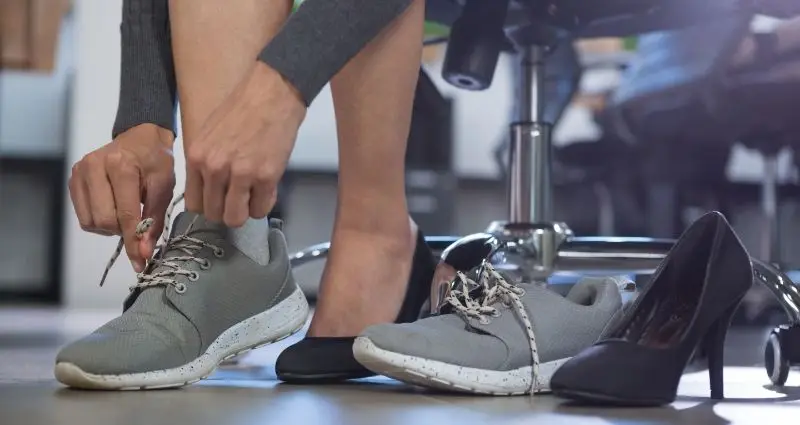
Prevention is better than cure, as the saying goes. And in the case of supinated feet, a few precautions can really make a difference.
First: pay attention to your shoes. I always tell my patients this. Wear comfortable shoes, the right size, that support your feet well. Avoid high heels for extended periods.
Second: Keep your feet fit. Simple exercises, even at home, can help maintain flexibility and strength. Ankle flexion and extension movements, exercises with a tennis ball under your foot, and walking barefoot on sand when possible.
Third: Don't ignore your body's signals. If your foot hurts, if your shoes wear out strangely, if you often sprain your ankles—don't wait for the problem to get worse.
SmartHallux: Where we can help you

Here at SmartHallux, we specialize in foot and ankle surgery. Dr. Luigi Manzi, who has extensive experience in this field, provides each patient with a personalized treatment plan using the most modern techniques.
Our approach always begins with a comprehensive assessment. We don't just look at the foot, but at the entire person: posture, habits, expectations. Only then can we propose the most appropriate treatment.
The SmartHallux team treats conditions such as hallux valgus , Morton's neuroma , and other deformities that cause foot pain. Providing comprehensive support throughout the treatment process, SmartHallux can be a winning choice for effective treatment tailored to your needs. Book your specialist consultation with the SmartHallux team now (opens in a new tab).
The questions you ask me most often
Doctor, can a supinated foot be completely corrected?
It depends on several factors. If the problem is congenital and the bone structure is severely altered, complete correction can be difficult. However, in most cases, significant improvement in symptoms and function can be achieved. The key is to intervene before complications develop.
Is it true that people with supinated feet must always use insoles?
Not necessarily always, but often. Insoles are a very effective tool for redistributing the load and reducing symptoms. Some patients use them only when performing activities that put more stress on the foot, others prefer to use them daily.
Can a supinated foot cause problems in other parts of the body?
Absolutely. The foot is the foundation of our balance system. Improper foot support can affect the knees, hips, and back. This is why it's important not to underestimate the problem.