
Tendonitis: causes, symptoms and how to recover
Tendonitis is inflammation of a tendon that can affect athletes, manual workers and office workers alike. The causes, the symptoms and how it is treated.
By Dr. Luigi ManziUpdated on
Tendinitis is an annoying, sometimes disabling condition that can affect anyone: athletes, manual laborers, and even those who spend too much time in front of a computer. When the pain begins to set in, the question that naturally arises is: "How can I recover quickly from tendinitis ?"
The good news is that today there are strategies and treatments that can shorten recovery times and significantly reduce pain. But it takes method, patience, and, above all, proper management from the first symptoms.
What is tendonitis and what causes it?
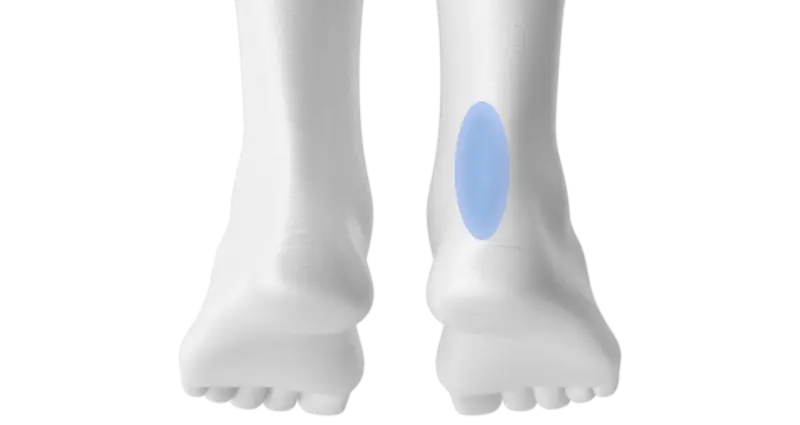
Tendinitis is an inflammation of the tendon, the fibrous structure that connects muscle to bone. It can be triggered by repetitive movements, sudden strain, trauma, or overload resulting from overly intense or unprepared physical activity. In some cases, systemic diseases such as rheumatoid arthritis or diabetes can also increase the risk of chronic tendinitis.
The areas most affected? Shoulders, elbows, wrists, knees, heels. But in reality, any tendon can become inflamed if subjected to continuous stress.
Recognize the symptoms to act in time
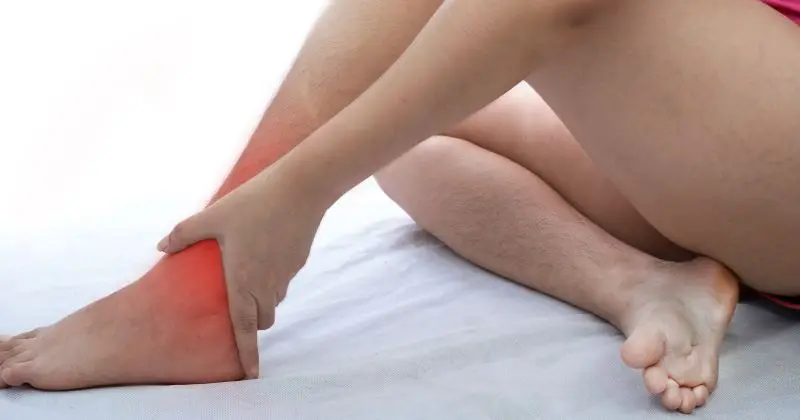
The first sign is almost always pain, localized in the tendon area and aggravated by movement. This may be accompanied by swelling, stiffness, muscle weakness, and, in more advanced cases, difficulty performing even daily tasks. Prompt intervention is essential to prevent the inflammation from becoming chronic.
Healing Fast: What Really Works?
Each case of tendinitis has its own recovery path, but there are some common treatment pillars that can speed up healing.
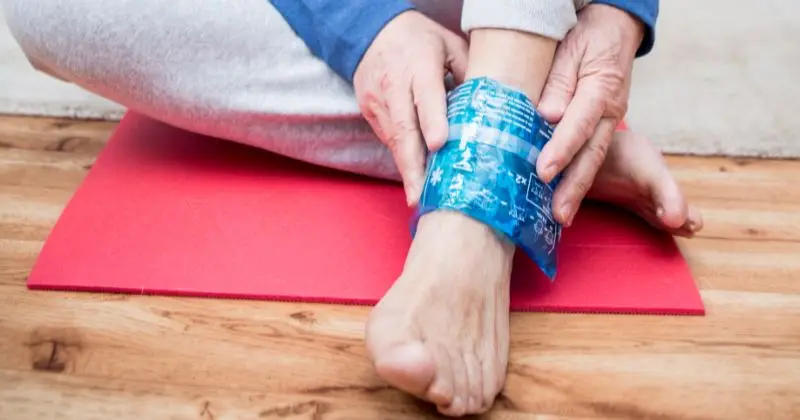
First, targeted rest : avoiding movements that aggravate the situation is essential. This doesn't mean completely immobilizing yourself, but rather respecting your body's limits. Applying ice during the acute phase can help reduce pain and inflammation. Once the swelling subsides, it's helpful to introduce warm compresses to promote muscle relaxation and circulation.
For more severe cases, your doctor may prescribe anti-inflammatory drugs or recommend corticosteroid injections . Physiotherapy, meanwhile, becomes a key ally: it helps strengthen muscles, restore elasticity, and prevent further relapses.
Innovative therapies for faster recovery
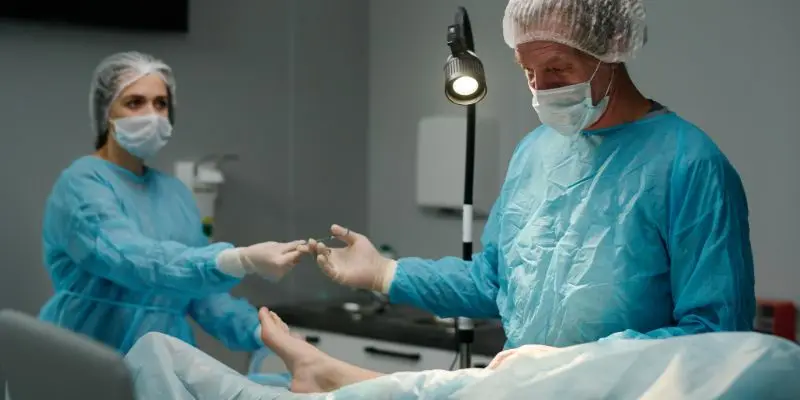
In addition to traditional treatments, advanced approaches are revolutionizing tendonitis treatment. These include tecar therapy and shockwave therapy , which stimulate deep tissue regeneration.
One of the most promising techniques is the use of stem cells to repair damaged tendons. This non-invasive yet highly effective option is available at specialized centers like SmartHallux , supported by Dr. Luigi Manzi.
How long does it take to heal?
It depends on the severity. Mild tendinitis can resolve in a couple of weeks, while chronic or neglected forms require months. The key is not to rush the process and to consistently follow the treatment plan. Sleeping well, staying hydrated, maintaining a balanced diet, and continuing exercise even after the pain has subsided are valuable measures to consolidate recovery.
Prevention is better than cure

To prevent tendinitis from returning—or appearing for the first time—constant attention is required. Warming up before physical activity, using proper techniques for repetitive movements, avoiding overloading the tendons, and choosing appropriate footwear (for the foot) are simple but effective habits.
Those who play sports or have physically demanding jobs should include preventative physiotherapy sessions in their routine to strengthen the most exposed areas and maintain muscle-tendon balance.
The SmartHallux approach to foot care

Healing quickly from tendonitis isn't a race against time, but a well-structured process of attention, targeted treatments, and listening to your body. Today, with the right care and the help of experienced professionals, recovery can be faster and more effective than ever.
When conservative therapies are no longer sufficient, SmartHallux offers advanced surgical solutions, such as minimally invasive procedures, to reduce pain and improve mobility lastingly. Dr. Luigi Manzi , with years of experience in foot surgery, leads a highly specialized team ready to evaluate each case carefully and individually.
The SmartHallux team treats conditions such as hallux valgus , Morton's neuroma , and other deformities that cause foot pain. Providing comprehensive support throughout the treatment process, including post-operative recovery, SmartHallux can be a winning choice for effective treatment tailored to your needs. Book (opens in a new tab) your specialist consultation with the SmartHallux team now.