
The third metatarsal: causes, symptoms, and treatment
Pain in the middle of the foot or under the toes often involves the third metatarsal: stress fracture, metatarsalgia or overload. Symptoms and treatment.
By Dr. Luigi ManziUpdated on
Do you have pain in the middle of your foot or under your toes? It could be the third metatarsal. The foot is a complex structure, composed of many bones, muscles, and ligaments that work together to ensure balance and movement. Among these, the metatarsal bones play a crucial role. In particular, the third metatarsal is often involved in painful conditions that can compromise daily walking.
Let's take a look at what it is, why it can be harmful, and what you can do to fix it.
What is the third metatarsal?

The third metatarsal is one of the five metatarsals of the foot, located between the second and fourth. It extends from the midfoot to the base of the corresponding toe. Its function is essential for:
- Support body weight
- Promote propulsion while walking
- Ensure balance between the forefoot and heel
The main causes of pain in the third metatarsal

Pain in this area can be caused by several conditions:
- Stress fractures: typical of those who run or walk a lot on hard surfaces
- Metatarsalgia: inflammation of the metatarsal area
- Morton's neuroma: inflammation of the nerve between the toes, often located between the third and fourth metatarsals
- Arthritis or bursitis
- Plantar calluses, caused by incorrect support or unsuitable shoes
Abnormalities in the fall of the metatarsal (biomechanical metatarsalgia) can also generate recurrent pain.
How to recognize the symptoms?
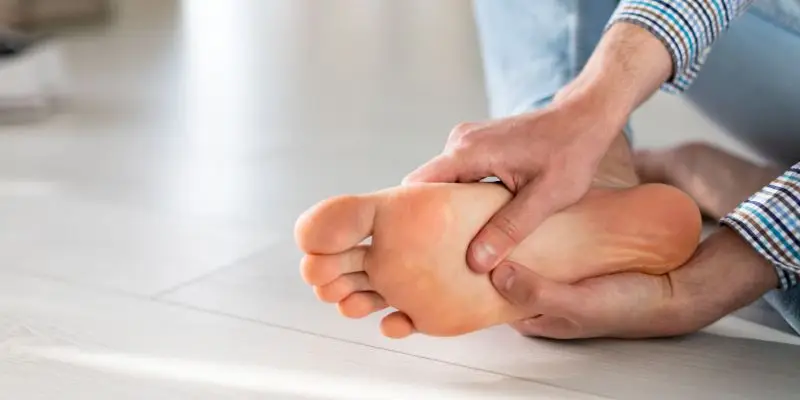
Pain in the third metatarsal can manifest itself in different ways:
- Sharp or dull discomfort in the center of the forefoot
- Tingling or numbness of the fingers
- Swelling or redness in the middle of the foot
- Difficulty walking, especially over long distances or standing for hours
Diagnosis: how to identify the problem

A correct diagnosis always starts from:
- Detailed medical history and physical examination
- Radiography, to exclude obvious fractures
- Magnetic resonance, if soft tissue injuries are suspected
- Neurological examination, to rule out problems such as neuroma
What treatments are available?
Conservative therapies
- Functional rest and application of ice
- Anti-inflammatory drugs
- Custom insoles or orthoses to redistribute the load
- Physiotherapy to correct posture and improve foot biomechanics
- Cortisone injections, in the most resistant cases
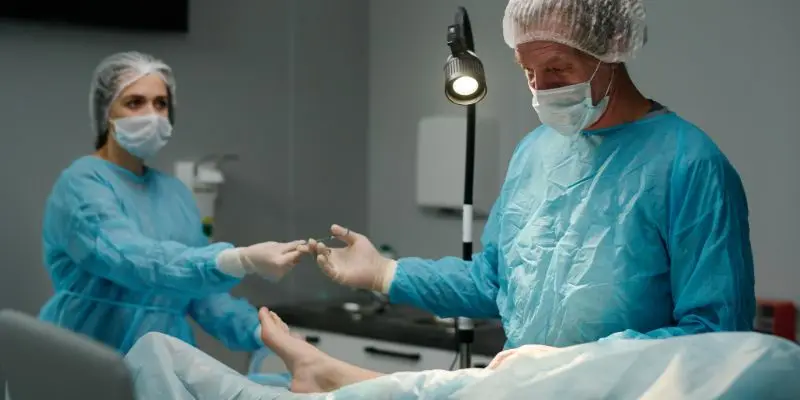
Surgery
Indicated only in the presence of:
- Compound fractures
- Morton's neuroma unresponsive to conservative therapies
- Severe deformities or persistent metatarsal drop
Minimally invasive surgery now allows for quick and less painful interventions, with good functional recovery.
How to prevent metatarsal pain?
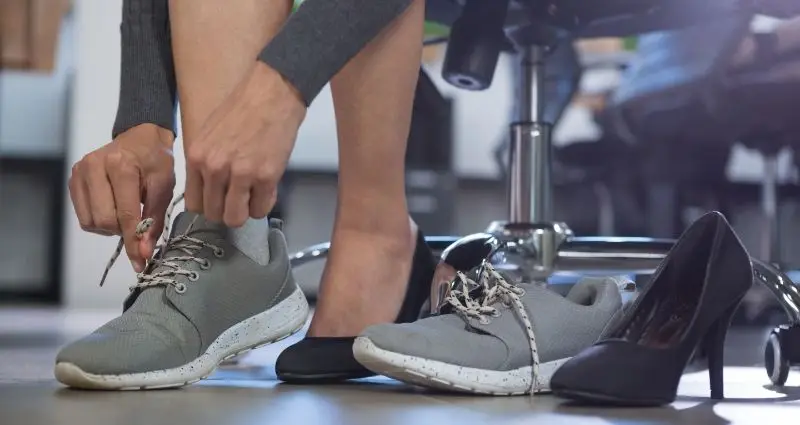
- Uses comfortable and cushioned shoes, avoiding high heels or shoes that are too tight
- If you play sports, choose suitable technical footwear and change the insoles regularly
- Perform foot and calf stretching exercises
- Maintain a balanced weight
- Have your foot support assessed, especially if you have: relapses or chronic pain
SmartHallux: When to see a specialist?

Do you have persistent foot pain or suspect a problem with the third metatarsal? The SmartHallux team treats conditions such as hallux valgus , Morton's neuroma , and other deformities that cause foot pain. Providing comprehensive support throughout the treatment process, SmartHallux can be a winning choice for effective treatment tailored to your needs. Book (opens in a new tab) your specialist consultation with the SmartHallux team now.
What is the third metatarsal?
It is the bone located between the second and fourth metatarsal, essential for plantar support and propulsion when walking.
How does a problem manifest itself in this area?
With central foot pain, swelling, tingling in the toes, and difficulty walking or standing.
How is it treated?
Depending on the diagnosis, the treatment ranges from rest and insoles to physiotherapy, infiltrations, or, in more complex cases, surgery.