
Heel spur insoles: how to choose the right ones for you
Heel spur insoles cushion the heel and support the arch to ease pressure on the spur. Which types help, how to choose them and when they are not enough.
By Dr. Luigi ManziUpdated on
What is a heel spur ? In this article, "Insoles for Heel Spurs," we'll analyze this condition and identify the most suitable insoles. It's a bony growth that develops on the underside of the heel and forms when the plantar fascia is overstretched. This can lead to microtrauma and chronic inflammation.
Heel spurs, or plantar fasciitis , manifest as particularly annoying pain in the heel. This is accompanied by a feeling of stiffness and tenderness, especially in the early morning hours or when the foot regains mobility after long periods of inactivity.
What causes heel spurs?

The causes of heel spurs, as with most foot and ankle conditions , can often be traced back to excessive stress to which these anatomical parts are subjected. Excessive strain on the plantar fascia, for example through intense physical activity, can cause inflammation and microtraumas that, if not treated properly, can lead to the bony growth typical of heel spurs.
The ankle and foot can also be overstressed by the excessive weight they are forced to bear, inevitably increasing pressure on the plantar fascia. At the same time, having previous conditions such as arthritis, diabetes, and certain autoimmune diseases, or physical problems such as flat feet, poor posture, foot deformities, or trauma, can contribute to making the foot weak and susceptible to other conditions.
How is heel spur diagnosed?

An early diagnosis is essential to best treat heel spurs and try to minimize the consequences.
If you suspect you have this type of foot problem or recognize the first symptoms, it is best to contact your doctor who will refer you to a specialist.
During the physical exam, the doctor will assess the level of inflammation, swelling, and pain in the heel, also checking for the presence of a bony prominence. Technical tests will then be performed, such as an X-ray to determine the size of the heel spur, and MRI or ultrasound in specific cases to rule out other pathologies.
Once the stage and severity of the condition have been identified, treatment options for heel spurs can be evaluated.
Conservative treatment consists of:
- Rest and ice: reduce inflammation and pain.
- Painkillers and anti-inflammatory drugs: useful in acute cases.
- Physiotherapy and stretching: improve flexibility and muscle strength.
- Appropriate footwear: They support the foot and reduce pressure on the heel.
- Heel spur insoles: provide support and cushioning.
In more severe cases, when conservative treatment fails to resolve the heel spur problem and the pain shows no signs of going away after about 6-12 months, surgery may be considered to remove the bony growths and release the plantar fascia to reduce tension.
How to choose the most suitable heel spur insole?
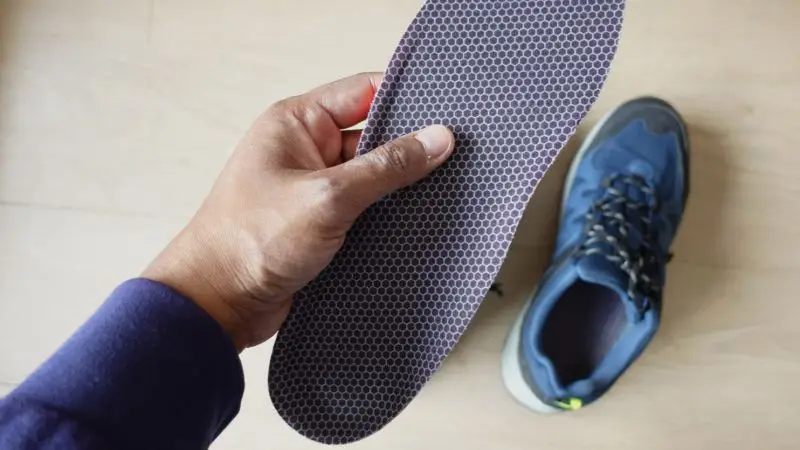
Heel spurs can be treated without surgery. In most cases, conservative treatments such as rest, ice, stretching, and orthotics can resolve the problem.
Insoles are extremely useful for providing relief and improving quality of life, as they provide support and evenly distribute the body's weight across the foot. There are various types, from prefabricated, certainly more affordable, to custom-made ones based on the anatomical shape of the patient's foot.
Heel spur insoles relieve pain and reduce pressure on the heel, provide support, improve posture, and reduce the risk of recurrence. However, these insoles also have disadvantages, as they may require an adaptation period and, if not used correctly, may not provide benefits.
Of course, as with any treatment, the use of insoles should be evaluated and approved by your doctor. Heel spur insoles can reduce pain and improve support, but their effectiveness varies from person to person. They aren't the same for everyone, but must be customized based on both the stage of the disease and the patient's health.
To properly use heel spur insoles and maximize their effectiveness, you need to wear them regularly, replace them when they wear out and begin to lose support, and pair them with appropriate footwear to maximize their benefits. In any case, while some people experience improvement within a few weeks of using insoles, others take months. If the pain persists, it's best to consult a specialist for a personalized assessment.
SmartHallux, the solution for heel spurs

If insoles haven't proven effective, surgery can help you get rid of your heel spur. The specialists of the SmartHallux team , led by world-renowned surgeon Dr. Luigi Manzi , have pioneered new minimally invasive surgical techniques designed not only to make the procedure quicker and less invasive, but also to reduce post-operative recovery time.
SmartHallux offers various consultation options to meet the needs of all patients, especially those suffering from heel spurs. What are you waiting for? Book your video consultation with SmartHallux specialists now.