
Subtalar Joint: What It Is, What It Does, and When It Can Cause Problems
The subtalar joint, between the talus and the heel bone, lets the foot tilt inward and outward. Its anatomy, its function and the conditions that cause pain.
By Dr. Luigi ManziUpdated on
When it comes to ankle problems, we often immediately think of the most familiar joints, but few realize how crucial the subtalar joint is to the stability and movement of the foot. This small joint is silently involved in every step we take, and is one of the most important for balance and adaptation to the terrain.
Anatomy of the subtalar joint

The subtalar joint is located between two bones: the talus (which connects the foot to the leg) and the calcaneus (our "heel"). It is a complex joint, composed of articular surfaces and ligaments that provide stability but also a certain degree of movement.
This joint works in synergy with two others: the Chopart joint (between the hindfoot and midfoot) and the Lisfranc joint (further forward, at the level of the midfoot).
What is it for?
Its task is simple but essential:
- Allows the movements of inversion and eversion of the foot (i.e. internal and external rotations)
- It helps to keep balance on uneven surfaces
- Contributes to transmit the load from the foot to the leg in a harmonious way
Basically, whenever you walk on sloping ground or rocks, it is she who keeps you aligned.
When something goes wrong: the most common pathologies

Like any joint, the subtalar joint can also experience problems, especially following trauma, overload, or systemic diseases. The most common conditions include:
- Subtalar osteoarthritis, often post-traumatic or degenerative
- Instability, due to damaged ligaments
- Fractures, especially following falls or twists
- Rheumatoid arthritis and chronic inflammation
- Subtalar impingement, that is, conflict between bone or tendon structures
Symptoms to watch for
Pain is the main symptom. It can be localized or radiate toward the side of the foot or along the ankle. Other symptoms:
- Rigidity joint pain, especially in the morning or after rest
- Swelling visible or felt by touch
- Difficulty walking or going up/down stairs
- Reduction of lateral mobility of the foot
Diagnosis and treatments

The first step is a specialist visit, including a medical history and physical examination . For more information:
- X-rays to see any bone changes
- Magnetic resonance to evaluate soft tissues and inflammation
- Other tests, such as electromyography, if neurological involvement is suspected
Conservative treatment
If the problem is initial or moderate, the focus is on:
- Anti-inflammatory drugs
- Specific physiotherapy
- Custom orthoses
- In some cases, infiltrations or regenerative therapies
Surgical treatment
If symptoms persist, you can opt for:
- Arthroscopy, to treat minor internal pathologies
- Subtalar arthrodesis: a procedure that joins joint surfaces to eliminate pain
- In rare cases, the subtalar joint prosthesis
Rehabilitation: the post-surgery journey

Post-operative physiotherapy aims to:
- Recover the muscle strength
- Re-educate the foot to the new mechanics
- Avoid stiffness and relapses
Recovery times vary from a few weeks to several months, depending on the surgery.
To help prevent
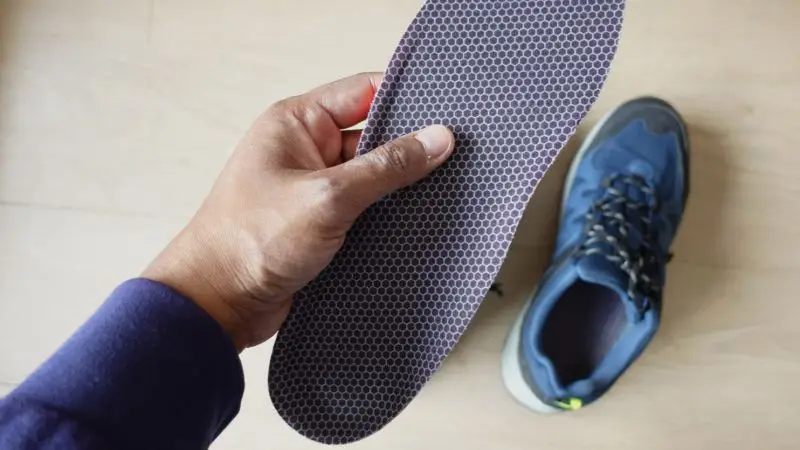
- Use shoes suitable for your foot type
- Keep your weight under control
- Incorporate mobility and strength exercises into your routine
The subtalar joint is small but essential for movement and stability. If neglected, it can compromise daily mobility. Recognizing the symptoms and addressing them early is the best way to avoid lasting limitations.
SmartHallux Emergency Room: Don't wait, act now

Dr. Luigi Manzi and the SmartHallux team offer a comprehensive service for the treatment of foot conditions. From precise diagnosis to targeted therapy—surgical or conservative—with 24/7 emergency care and stem cell treatment options . All services are available in specialized locations or remotely via telemedicine.
The SmartHallux team treats conditions such as hallux valgus , Morton's neuroma , and other deformities that cause foot pain. Providing comprehensive support throughout the treatment process, including post-operative recovery, SmartHallux can be a winning choice for effective treatment tailored to your needs. Book (opens in a new tab) your specialist consultation with the SmartHallux team now.
FAQ
What is the subtalar joint?
A joint between the talus and the heel that allows the foot to move laterally and adapt to the terrain.
What are the most common symptoms?
Pain, stiffness, swelling, difficulty moving.
How is it treated?
With rest, physiotherapy, orthoses and, in severe cases, surgery such as subtalar arthrodesis.