
Haglund's disease pain: when the heel "plays up"
Haglund's disease pain is felt at the back of the heel, where the shoe rubs. Why it happens, how to ease it and when to see a doctor.
By Dr. Luigi ManziUpdated on
Have you ever felt a nagging pain in the back of your heel? Perhaps right where the shoe touches, and the pain gets worse throughout the day? Well, you might be dealing with Haglund's disease pain. Or Haglund's syndrome, to be precise.
In my office, I often see patients who come in with this problem. "Doctor, it feels like a bone has grown behind my heel," they tell me. And indeed, they're not entirely wrong. Haglund's disease causes just that: a bony protrusion in the foot that can become truly bothersome.
What exactly is this Haglund's disease?
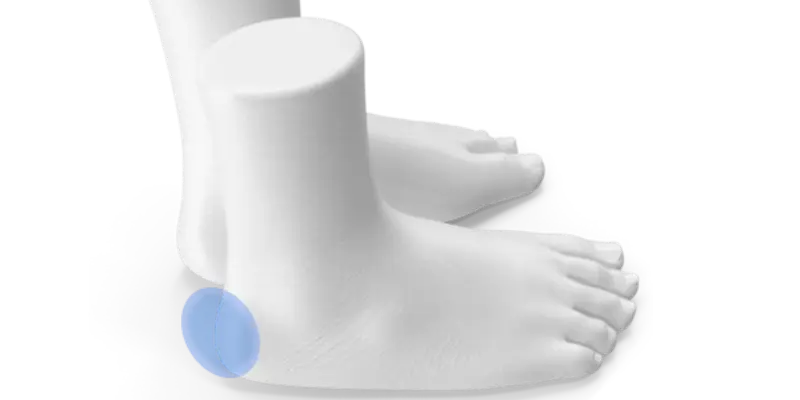
So, let's start with the basics. Haglund's disease is a condition that affects the calcaneus, or heel bone. Essentially, a bony protrusion forms on the upper back of the heel, right where the Achilles tendon attaches.
Think of Haglund's heel as a "bump" that sticks out. This protrusion can inflame the surrounding tissue, causing bursitis. This is why Haglund's heel hurts so much—it's not just the bone that's protruding, it's everything around it that becomes inflamed.
I've noticed that many patients confuse this condition with other foot conditions. "Is it a heel spur?" they often ask me. No, Haglund's syndrome is different from a heel spur, which is located on the underside of the heel.
Why does Haglund's disease occur?

Let's look at the main causes together. First of all, there's an anatomical component. Some people are born with a heel shape that predisposes them to the problem—known as Haglund's heel. It's not their fault, it's just how they are made.
Then there are shoes. Oh, shoes! I can't tell you how many times I've seen patients who for years have worn stiff shoes at the back, the kind that "cut" the heel. The protruding heel that develops over time is often the bone's response to this constant pressure.
Sports activity can play a significant role. Those who run a lot or participate in sports that stress the Achilles tendon are more likely to develop the problem. But be careful—I'm not saying you should stop exercising! Just do it with the right shoes and without overdoing it.
How is Haglund's syndrome recognized? Symptoms

The symptoms of Haglund's syndrome are quite characteristic. The pain is concentrated in the back of the heel, often described as "burning" or "stinging."
In the morning, when you get out of bed, the pain can be particularly intense. It's as if your heel is "rusty" after a night's rest. Then, as you walk, the pain may ease slightly, but it rarely goes away completely.
Swelling is almost always present. Look at your heel from behind—do you see a red, swollen area? That could be a sign of Haglund's disease. Patients often notice that the pain worsens when wearing certain shoes, especially those with a rigid heel counter.
Diagnosis: How do I know if it's really Haglund's disease?

When a patient comes to me with these symptoms, I always follow the same path. First, I listen to their history. When did the pain begin? What kind of shoes do they usually wear? Do they play sports?
Then I move on to the physical exam. I palpate the back of the heel and check for a palpable bony protrusion. I often ask the patient to flex their foot—is the pain increasing? This is an important sign.
A heel x-ray is essential for confirming the diagnosis of Haglund's disease. The posterior bony prominence of the calcaneus is clearly visible on the x-ray. I sometimes add an MRI, especially if I suspect involvement of the surrounding soft tissues.
Haglund's disease: what to do: treatment options
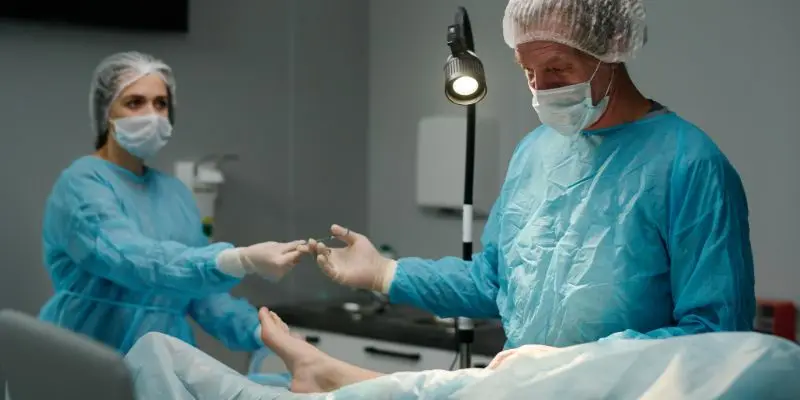
We always start with conservative treatments. The first thing I recommend? Changing your shoes. Yes, exactly. Soft shoes at the back, preferably with a slightly raised heel. Insoles can help a lot, especially those that relieve pressure from the back of the heel.
Anti-inflammatories help control pain and inflammation. But be careful—they're not a permanent solution; they help manage symptoms while addressing the underlying cause.
Ice after activity can provide relief. And then there's stretching – Haglund's disease stretching is essential for keeping the Achilles tendon supple and reducing tension on the posterior heel.
When surgery is necessary
If conservative therapy doesn't work after a few months, then we should consider Haglund's tendon surgery. Haglund's tendon surgery involves removing the bony prominence and, if necessary, repairing the Achilles tendon.
Today, we have minimally invasive techniques that allow us to resolve the problem with very small incisions. Minimally invasive surgery for Haglund's disease reduces recovery time and postoperative complications.
Recovery: What to Expect After Surgery
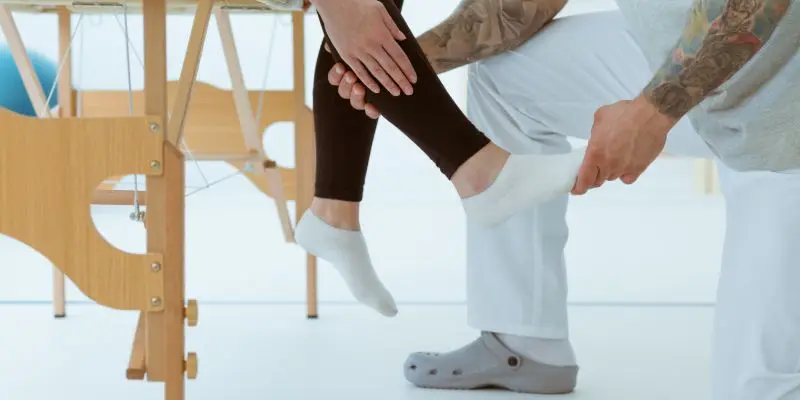
Recovery times for Haglund's disease depend greatly on the type of surgery and the patient's condition. Generally, after a minimally invasive procedure, the patient can put weight on their foot after a few days, but patience is required for full recovery.
Post-operative Haglund's syndrome requires specific physiotherapy to restore mobility and strength to the Achilles tendon. It's a delicate phase—you shouldn't rush it, but you shouldn't stay still for too long either.
Prevention: How to prevent the problem from recurring
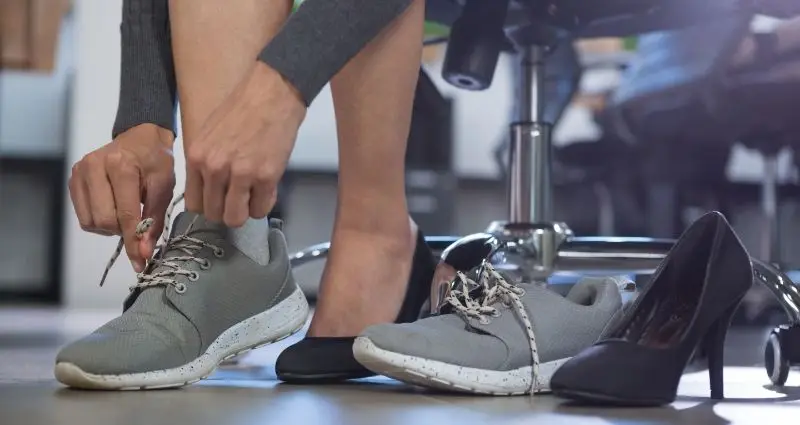
Prevention of Haglund's syndrome starts with your shoes. Avoid shoes with rigid counters, especially if you're already prone to the problem. If you play sports, always wear appropriate shoes and replace them regularly.
Stretching exercises for the Achilles tendon should become a daily habit. Just a few minutes a day are enough to keep the posterior leg tissues supple.
SmartHallux: Where we can help you

Dr. Luigi Manzi, who has gained specific experience in the treatment of Haglund's disease, follows each patient with a personalized path using the most modern and minimally invasive techniques.
The SmartHallux team treats conditions such as hallux valgus , Morton's neuroma , and other deformities that cause foot pain. Providing comprehensive support throughout the treatment process, SmartHallux can be a winning choice for effective treatment tailored to your needs. Book your specialist consultation with the SmartHallux team now (opens in a new tab).
Our experience in treating Haglund's syndrome allows us to offer personalized solutions for each case, from conservative therapy to the most advanced surgical interventions.
FAQ
How is Haglund's disease treated without surgery?
Most cases resolve with conservative treatment: changing your shoes, using appropriate insoles, stretching regularly, and taking anti-inflammatories when necessary. Patience is key.
Is Haglund's heel surgery painful?
With modern techniques, postoperative pain is very manageable. We use minimally invasive techniques that significantly reduce discomfort compared to traditional surgeries.
When should I have surgery for Haglund's syndrome?
If after 4-6 months of well-conducted conservative therapy the pain persists and limits your daily activities, then it is time to consider surgery.