
Orthopedic heel: what it is and when it helps
An orthopedic heel, or heel cup, is a support worn in the shoe to cushion and realign the heel. What it is for, which conditions it helps and how to choose.
By Dr. Luigi ManziUpdated on
Does your heel hurt? Do you have that nagging pain that lasts from your first steps in the morning until late at night? Then you've probably already heard of heel surgery. But what exactly does it mean?
I see patients every week who come into my office with this type of problem. "Doctor, they told me to use an orthopedic heel brace, but I don't really understand what it is." It's normal; let's clarify things together.
What is a heel cup really?
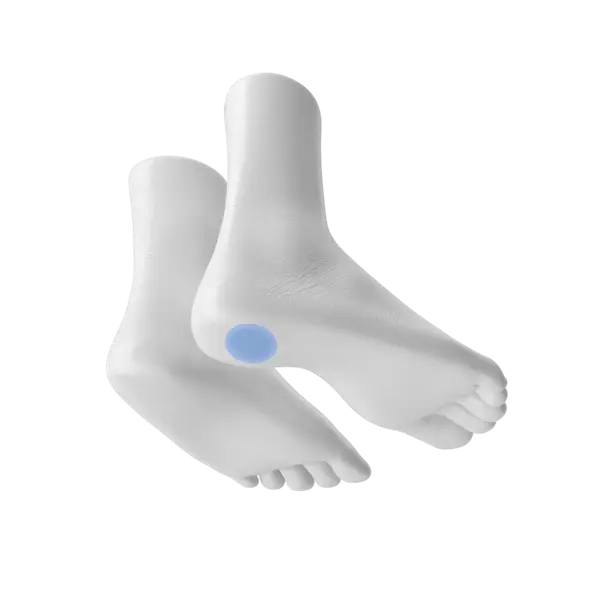
A heel cup is simply a device—usually made of gel, foam, or more rigid materials—that fits into your shoe to provide support and relief for your heel. Simple, right?
But be careful. Not all orthopedic heels are created equal. There are soft ones to absorb shock, firmer ones to correct posture, and those with a hole in the center to avoid pressure on inflamed areas. The choice depends on your specific problem.
Let me give you a concrete example. The other day, a patient came to me with terrible plantar fasciitis—he had that typical heel pain that gets worse in the morning. I recommended a heel cup with a central off-loading device, and after two weeks, he was already feeling better. It doesn't always happen that quickly, mind you, but it can make a difference.
Why should you consider a heel brace?

The benefits are numerous, and I'm not just talking about pain relief. Sure, that's the most immediate effect we're looking for. But there's more.
A good orthopedic heel brace improves weight distribution. Think of your foot as a scale: if all your weight rests on one point (your painful heel), that will continue to hurt. The heel distributes the force better.
Then there's the postural aspect. The heel affects the entire chain: ankle, knee, hip, back. I've seen patients who, after resolving a heel pain problem, also noticed improvements in their back pain. The body is all connected, after all.
And let's not forget prevention. If you've already had episodes of heel pain—whether from plantar fasciitis, heel spurs, or Haglund's disease—an orthopedic heel brace can help you avoid recurrences.
How to use it correctly
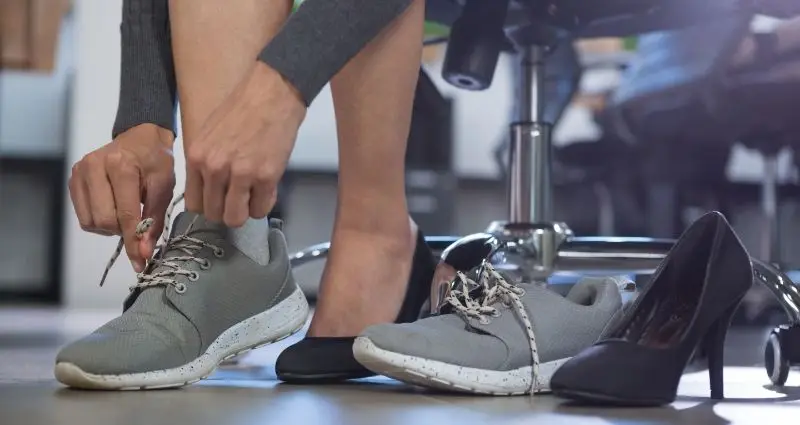
Now, this is crucial: you can't just stick your heel into the shoe and hope for the best.
First of all, the shoe must fit properly. If your shoe is already tight, adding a heel cup will make things worse. You may need a larger size, or at least a shoe with a little more room.
Insertion is simple: remove the original insole (if possible), put on the orthopedic heel cup, and put the insole back on top. If the insole no longer fits, just use the heel cup.
Maintenance depends on the material. Gel pads can be washed with water and neutral soap. Foam pads can be cleaned with a damp cloth. The more rigid pads often have an easily washable surface.
One thing I always tell my patients: start slowly. Use it for a few hours the first few days, then gradually increase. The foot needs to get used to it.
When to be careful

Not everything is rosy with orthopedic heels. There are situations where you need to be careful.
If you have significant circulation problems, it's best to consult your doctor first. The same goes for diabetes—anything that touches your feet should be carefully considered.
Some people develop allergic reactions to the materials. Redness, itching, and small blisters appear. If this happens, stop using it immediately and report it to us.
And then there's the risk of becoming psychologically "dependent." I have patients who can no longer walk without it. It's fine to use, but the goal should always be to gradually reduce dependence on the support.
One more thing: if your pain gets worse instead of better after a week of proper use, stop. It may not be the right solution for you.
SmartHallux: Where we can help you

Dr. Luigi Manzi, who has gained specific experience in this field, follows each patient with a personalized path using the most modern techniques.
The SmartHallux team treats conditions such as hallux valgus , Morton's neuroma , and other deformities that cause foot pain. Providing comprehensive support throughout the treatment process, SmartHallux can be a winning choice for effective treatment tailored to your needs. Book your specialist consultation with the SmartHallux team now (opens in a new tab).
Let's be clear: we're not just about surgery. Before considering surgery, we always evaluate all conservative options: insoles, orthopedic heels, physiotherapy, and infiltrative therapies. Surgery is the last resort, when other options fail.
FAQ
Doctor, how much does a heel orthosis cost?
It depends a lot on the type. Simple ones at the pharmacy cost between 15 and 40 euros. Custom-made ones can cost as much as 100-150 euros, but they're often worth it if you have complex problems.
How long does it last?
A good-quality heel can last from six months to a year, depending on how much you use it and how you care for it. When it starts to deform or lose elasticity, it's time to replace it.
Can I use it with all shoes?
Theory: yes. Practice: no. It doesn't work with very tight shoes or high heels. The best shoes are comfortable ones with a little extra room.
Is the soft or hard one better?
For acute pain, I usually recommend soft, shock-absorbing ones. For posture problems or deformities, firmer ones with arch support are recommended.