
Tendon Thickening: What You Need to Know
Tendon thickening is a sign of tendinopathy: the tendon swells and stiffens after overuse, often in the Achilles. The causes, how it is diagnosed and treated.
By Dr. Luigi ManziUpdated on
Have you ever felt your tendon swollen? Maybe after a particularly intense running session, or simply when getting out of bed in the morning. What you're feeling could be a thickening of the tendon.
It happens often in my office. Patients come in and say, "Doctor, my tendon feels thicker than usual." And they're right. Tendon thickening is a more common condition than you might think, especially in those who play sports or have jobs that require repetitive motion.
But let's go for order.
What exactly is this thickening?
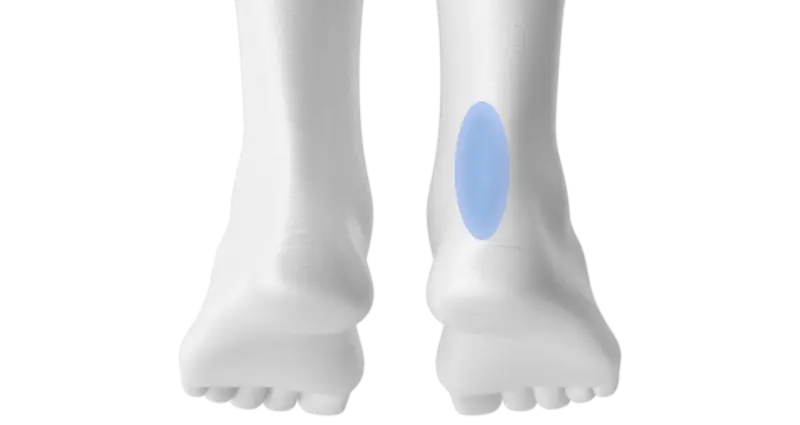
Think of a tendon as a rope. Normally, it's smooth, uniform, and flows easily. When it thickens, it becomes like a rope that has developed knots along its length. It's no longer the elegant, functional structure it once was.
Tendon thickening, technically called tendinopathy, is our body's response to repetitive stress or trauma. The tendon, in an attempt to "repair" itself, produces additional fibrous tissue. The result? A thicker, less elastic, and often painful tendon.
It's a bit like when you cut yourself and a scar forms. The body tries to repair it, but the end result is never identical to the original tissue. Same principle here.
Why is this happening?
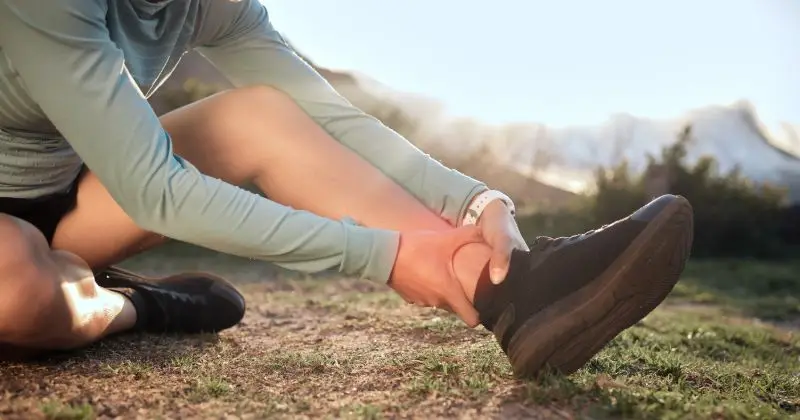
The causes are varied. And truth be told, they often combine.
Overuse is the number one culprit. I see many runners come in with thickened Achilles tendons after increasing their mileage too quickly. The tendon simply can't keep up with the demands we place on it.
Then there are repetitive microtraumas. You know when you repeatedly hit your heel on the ground while walking on hard surfaces? The tendon gradually reacts by thickening. It's its defense strategy, even if it's not very effective.
Age plays a significant role. After all, tendons age like the rest of the body. After 30-35, they gradually lose elasticity. This is normal, but it means they're more vulnerable to thickening.
Let's not forget systemic inflammatory conditions. Rheumatoid arthritis and psoriasis: all of these conditions can also affect the tendons, causing localized or widespread thickening.
The signals your body sends you
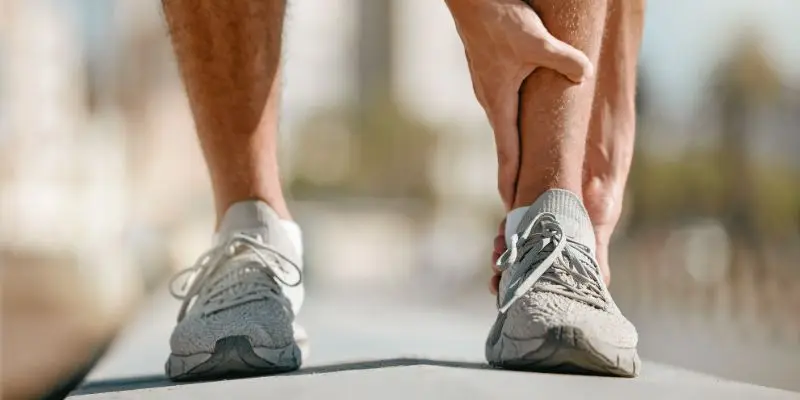
Pain is the first warning sign. It's not just any pain, though. It's typically a dull, constant ache that worsens with activity. "Doctor, it hurts less in the morning, then it gets worse during the day," patients often tell me.
Stiffness is another classic symptom. The tendon feels "tight," especially during the first few movements. It's as if it needs to warm up before it works properly.
You can often feel the thickening by touch. If you compare the affected tendon with the contralateral one, you'll notice the difference. It's thicker, sometimes irregular to the touch.
In more advanced cases, a real nodule can form. I've seen it especially in the Achilles tendon: a thickened, painful area that moves when the foot flexes.
How do we arrive at the diagnosis?

In my practice, I always start with the medical history. When did it start? What were you doing? Does it get worse with activity? These are key questions to understand the problem.
The physical examination is crucial. I palpate the tendon, assess its shape, and compare it with the other side. I have the patient move to see how the tendon reacts under load.
But often that's not enough. Ultrasound is fantastic for seeing tendon thickening. It's a simple, non-invasive test that shows me the tendon structure in real time. I can see the thickened areas, assess the vascularity, and check for calcifications.
I reserve MRI for complex cases, when I want to rule out associated lesions or when I'm planning surgery.
X-rays? They're primarily useful for ruling out associated bone problems or for seeing any tendon calcifications.
Treatment options

Rest is essential. I know, no one wants to hear this, but the tendon needs time to "calm down." This doesn't mean staying completely still, but rather modifying the activities that are worsening the problem.
Ice helps control inflammation during acute phases. Apply for 15-20 minutes, several times a day. No more than that, or you risk the opposite effect.
Anti-inflammatory drugs can provide relief, but they're not a permanent solution. I use them especially during acute phases to break the pain-inflammation cycle.
Physiotherapy is often the real game-changer. Specific eccentric exercises can help reshape the tendon, making it more functional. The physiotherapist also works on biomechanics, correcting any imbalances that may have contributed to the problem.
Physical therapies—ultrasound, laser, shockwave therapy—can be helpful in selected cases. I've personally seen good results with shockwave therapy for chronic thickening of the Achilles tendon.
Infiltration with hyaluronic acid or PRP (platelet-rich plasma) is an option in resistant cases. It's not a magic wand, but it can help improve tendon tissue quality.
Surgery is reserved for cases that don't respond to conservative treatment after at least six months of therapy. The procedure involves removing the degenerated tissue and stimulating tendon regeneration.
Recovery times: realistic expectations

I have to be honest with you here. Tendon thickening doesn't resolve in a week. It's a slow process that requires patience.
With conservative treatment, I usually see initial improvements after 4-6 weeks. However, full recovery can take 3-6 months. It depends on the chronicity of the problem and how closely the patient adheres to the instructions.
After surgery, recovery times are longer. It takes 2-3 months to return to normal daily activities, 4-6 months to resume sports. But the end result is often very rewarding.
Prevention: better safe than sorry
Gradually increasing your activity is essential. If you run and want to increase your mileage, do so gradually. A good rule of thumb is no more than 10% per week.
Warming up before exercise is not optional. A "cold" tendon is a vulnerable tendon. Spend 10-15 minutes warming up your muscles and tendons before starting.
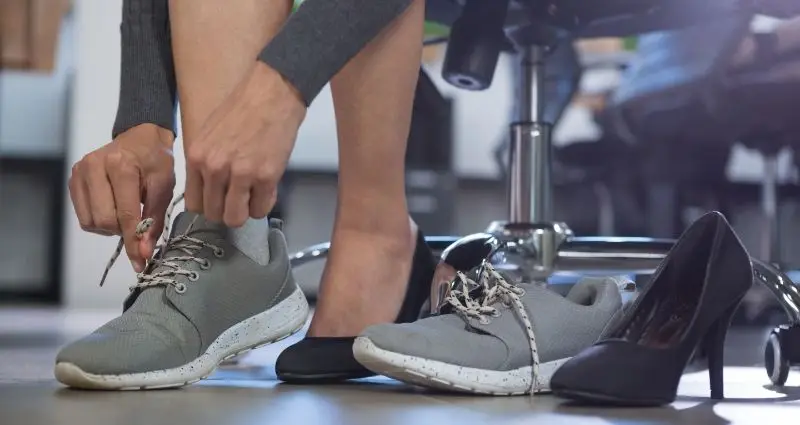
The right shoes make all the difference. Worn-out shoes or those that don't fit your foot type can put abnormal stress on your tendons.
Listen to your body. If you feel discomfort, don't ignore it. A couple of days of preventative rest are worth much more than months of forced inactivity.
SmartHallux: Where we can help you

Here at SmartHallux, we specialize in foot and ankle surgery. Dr. Luigi Manzi, who has extensive experience in this field, provides each patient with a personalized treatment plan, using the most modern and minimally invasive techniques whenever possible.
The SmartHallux team treats conditions such as hallux valgus , Morton's neuroma , and other deformities that cause foot pain. Providing comprehensive support throughout the treatment process, SmartHallux can be a winning choice for effective treatment tailored to your needs. Book your specialist consultation with the SmartHallux team now (opens in a new tab).
Questions you often ask me
Can tendon thickening heal completely?
With proper treatment, most patients experience significant improvement. The tendon may never return to its original state, but it can become functional and painless again.
Can I continue to play sports with a thickened tendon?
It depends on the severity. In acute phases, it's best to stop. Once you've improved, you can gradually resume, possibly modifying the intensity or type of activity.
Are the infiltrations painful?
The discomfort is minimal and lasts a few seconds. I always use a local anesthetic to make the injection as comfortable as possible.
How long do the effects of shock waves last?
I usually do cycles of 3-5 sessions. The effect can last several months, but each case is different. It depends greatly on the individual tissue's response.