
Achilles tendinosis: causes, symptoms, diagnosis, and treatment
If you experience a dull ache, a feeling of stiffness, or pain that worsens after physical exertion, you may have Achilles tendinosis.
By Dr. Luigi ManziUpdated on
Do you have persistent pain in your heel or calf? It could be Achilles tendinosis. If you experience a dull ache, a feeling of stiffness, or pain that worsens after physical exertion, you may have Achilles tendinosis . It's a more common condition than you think, often overlooked in the early stages but potentially debilitating if left untreated.
In this article, we'll look at what it is, how to recognize it, the most effective treatment options, and what to expect from recovery.
What does Achilles tendinosis mean?
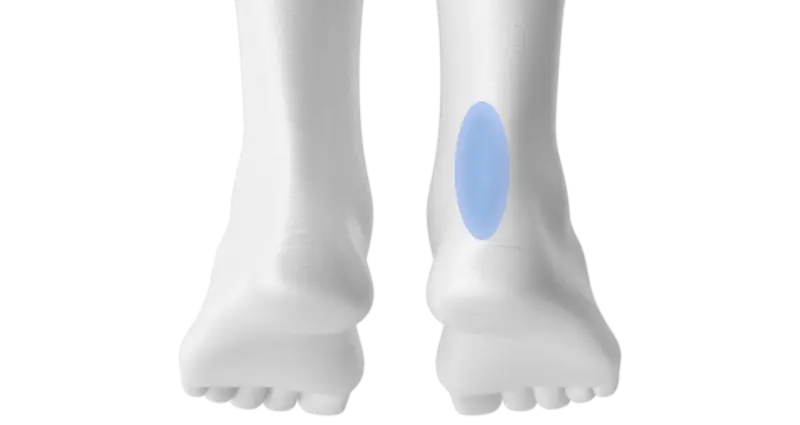
Tendinosis is a degeneration ( not inflammation) of the Achilles tendon , the tough fibrous structure that connects the calf muscles to the heel. Unlike tendonitis, which is acute and inflammatory, tendinosis is chronic and progressive.
It can affect athletes, sedentary people or overweight individuals, and occurs mainly between the ages of 30 and 60.
What causes Achilles tendinosis?

This condition often develops following repetitive stress and unrecovered microtrauma. Some risk factors include:
- Excessive sports load, especially in running or jumping
- Inadequate footwear or worn out
- Alterations in foot support (such as overpronation)
- Aging of tendon tissue
- Inflammation of the tendon insertion at the heel
In some cases, the cause may be previous, poorly treated tendinitis .
How does it manifest itself?

Symptoms develop gradually and tend to worsen over time. The most common are:
- Heel pain or in the lower part of the calf, especially when waking up or after activity
- Stiffness in the morning or after long periods of inactivity
- Localized swelling
- Sensation of crackling or popping during movement
- In some cases, thickening of the Achilles tendon visible or palpable
How is it diagnosed?

The doctor evaluates the symptoms and medical history through a physical examination. If necessary, the following may be requested:
- Ultrasound: useful for identifying thickening or microlesions
- Magnetic resonance: to assess the extent of degeneration
- Blood tests only if systemic inflammatory conditions are suspected
How is Achilles tendinosis treated?

Conservative treatments
In most cases, we start with a non-invasive approach:
- Relative rest and modification of sporting activity
- Ice applications and anti-inflammatory drugs
- Physiotherapy with stretching and eccentric exercises
- Custom insoles or orthoses
- Local infiltrations, including with PRP (platelet-rich plasma)
Surgery
When pain persists for more than 6 months or an Achilles tendon rupture occurs , surgery may be considered:
- Removal of degenerated tissue
- Possible tendon reconstruction
- Minimally invasive approaches available at specialized centers such as SmartHallux
Recovery and rehabilitation
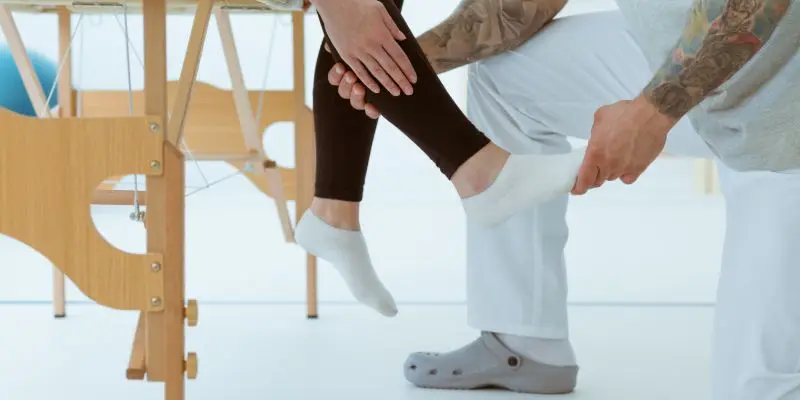
After surgery, the post-operative rehabilitation process is fundamental:
- Progressive exercises of stretching and reinforcement
- Proprioceptive to recover balance and coordination
- Gradual return to sports or work activities
Recovery times vary, but generally take 3-6 months for a full return.
How to prevent Achilles tendinosis?
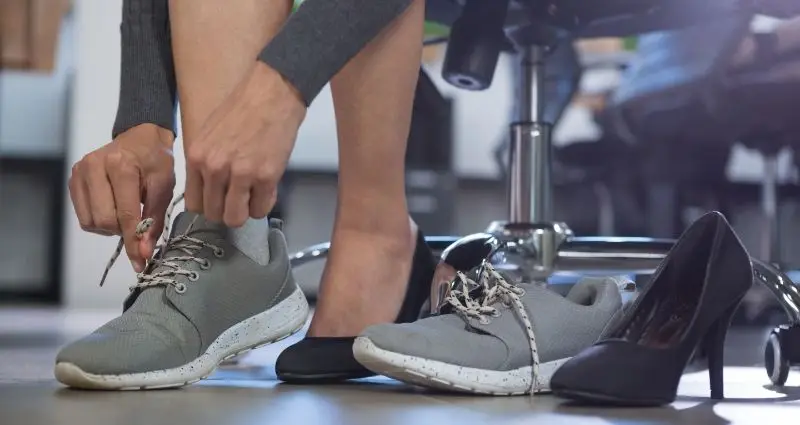
Prevention is based on:
- Progressive training with adequate breaks
- Warming up and stretching before and after physical activity
- Suitable and well-cushioned shoes
- Pay attention to your body's signals, especially in the initial stages of pain or stiffness.
SmartHallux: When to see a specialist?
Do you experience persistent pain in your Achilles tendon or have you already been diagnosed with tendinosis? The SmartHallux team, led by Dr. Luigi Manzi, treats conditions such as hallux valgus , Morton's neuroma , and other deformities that cause foot pain. Providing comprehensive support throughout the treatment process, SmartHallux can be a winning choice for effective treatment tailored to your needs. Book your specialist consultation with the SmartHallux team now (opens in a new tab).
FAQ
What is the difference between Achilles tendonitis and tendinosis?
Tendinitis is an acute inflammation, while tendinosis is a chronic degeneration. They have similar symptoms, but tendinosis requires a longer treatment plan.
How long does it take to heal?
It depends on the severity: from 6-8 weeks in mild cases up to 6 months in more complex cases. Surgery may be necessary only in resistant cases.
What treatments are there?
From the classics (rest, physiotherapy, medications) to more advanced techniques such as PRP injections and minimally invasive surgery.